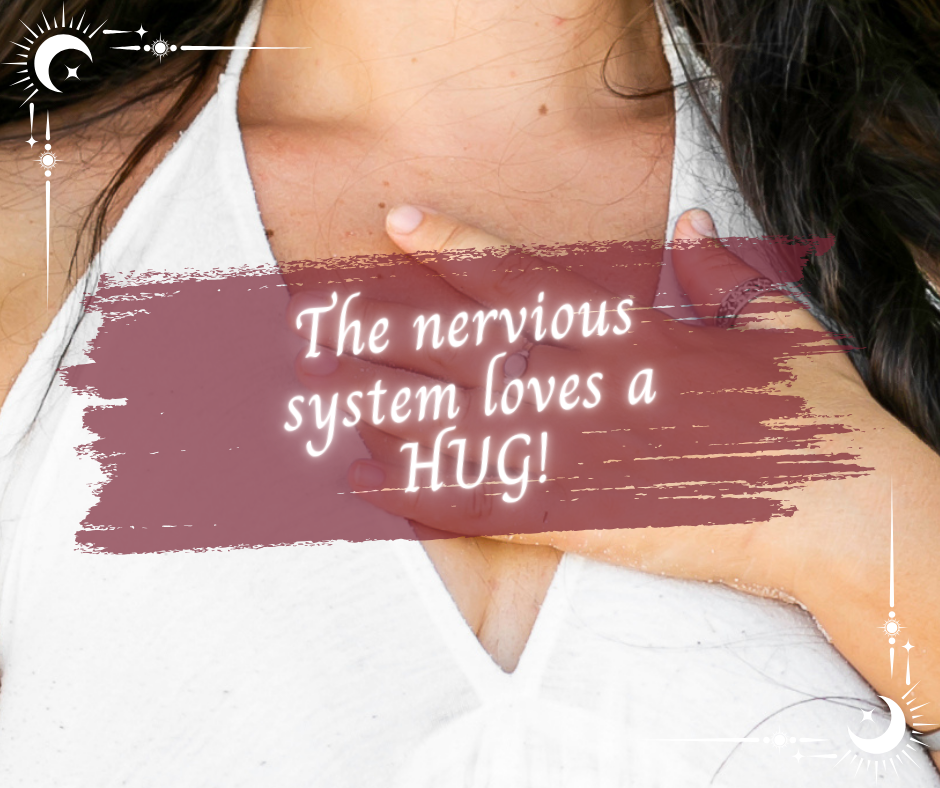
Today happens to be Hugging Day, which feels like a sweet enough reason to pause and talk about something simple and surprisingly powerful.
Hugging might seem small. Ordinary. Easy to overlook.
But from a physiological perspective, a hug can have a meaningful impact on the body and nervous system.
When we hug, or are hugged, the body releases oxytocin, often called the “bonding hormone.” Oxytocin is associated with feelings of safety, connection, and trust. It can help lower cortisol (a stress hormone), soften muscular tension, and support regulation of the nervous system.
Research has shown that regular physical touch can:
Reduce stress and anxiety
Support heart health and immune function
Improve mood and emotional resilience
Increase a sense of safety and belonging
One often-cited study published in Psychological Science found that people who received more frequent hugs showed reduced stress responses during times of conflict. Other studies have linked supportive touch to lower blood pressure and improved emotional regulation.
Touch matters. And not just romantic or sexual touch- simple, caring, consensual contact.
But what about when no one is there to hug you?
This is where self-touch, and self-hugging in particular, becomes deeply relevant.
The nervous system doesn’t only respond to who is touching you, it also responds to pressure, warmth, rhythm, and intention. This means that self-hugs can still activate calming pathways in the body, even when you’re the one offering the touch.
Placing your hands over your heart, wrapping your arms around yourself, or offering steady pressure through the chest can:
Stimulate the vagus nerve
Encourage slower, deeper breathing
Create a felt sense of containment and support
Interrupt stress cycles gently, without force
This isn’t about pretending you don’t want connection from others. It’s about giving your body something real, right now.
A simple self-hug practice
If you’d like to try it, here’s a gentle way to begin.
Get comfortable- sitting, standing, or lying down. Let your body choose.
Place your palms over your chest, resting them over your heart. Notice the warmth of your hands.
Feel the natural movement of your breath. As you inhale, your chest gently presses into your palms. As you exhale, allow your palms to meet your chest with the same softness.
There’s no need to do anything else.
You might sigh. You might soften your shoulders or jaw. You might feel nothing at all, and that’s okay too.
If it feels supportive, close your eyes for a few moments and let yourself be here. Held. Present. Not fixing anything.
Self-hugs are not a replacement for community, but they are a powerful way to remind the body that care is available.
Today, on Hugging Day, consider this an invitation: To notice how touch affects you. To offer yourself something simple and kind. To remember that your body is always listening.